

Choose your path
Scope 3 starts with different questions for buyers and suppliers.
Both sides need a connection from sourcing commitments to real fields. Explore the work your team owns, then follow the field evidence behind a Scope 3 result.
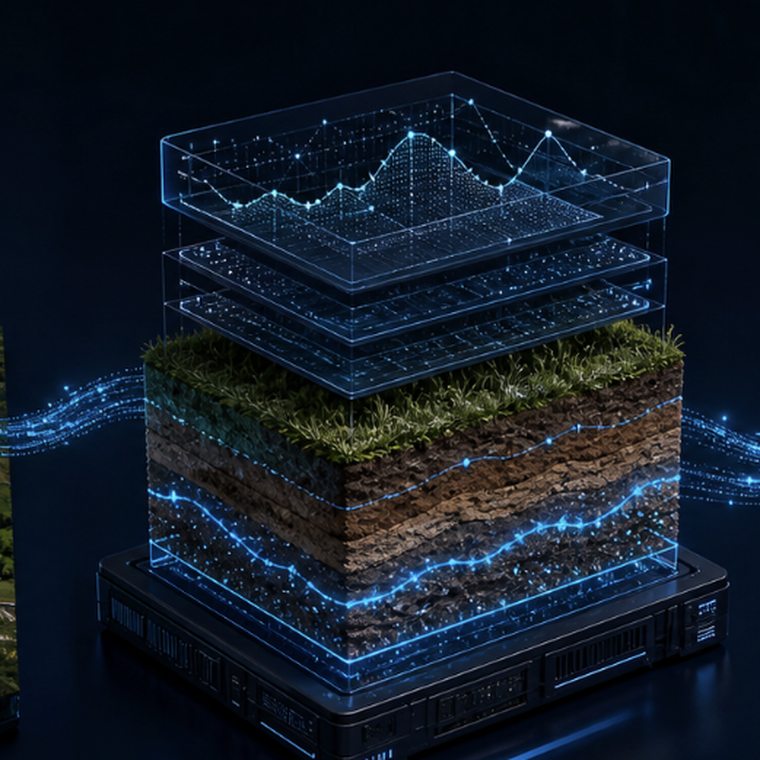
Connect ingredient sourcing to field action.
See how CPG teams can engage suppliers, prioritize sourcing regions, support practices and assemble credible Scope 3 evidence.
Scope 3 for CPGsExplore sourcing intelligence →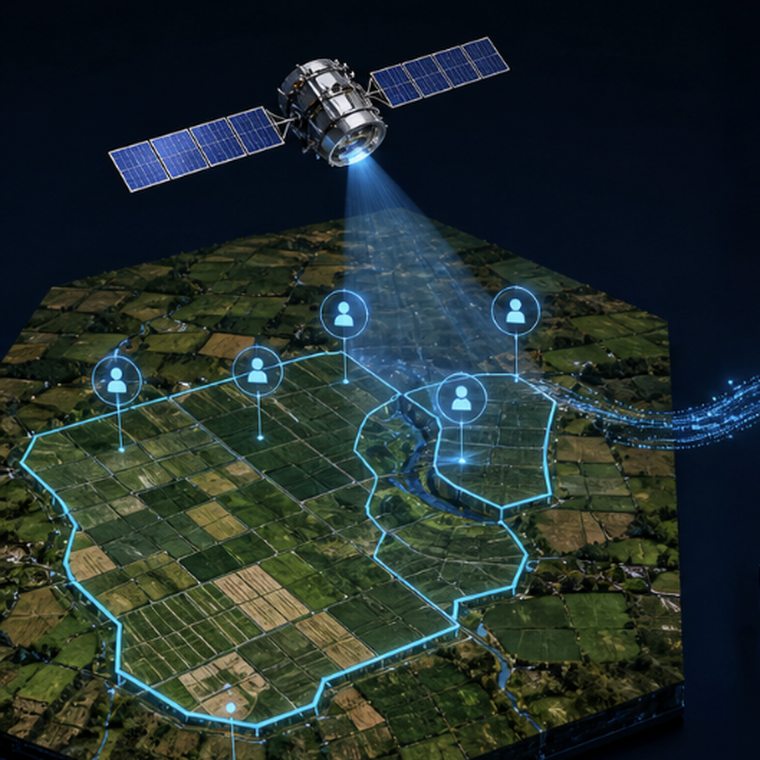
Deliver buyer requirements across a grower network.
See how suppliers can identify eligible acres, onboard growers, close data gaps and show buyers what happened on the field.
Scope 3 for suppliersOne connected program
From grower activity to buyer evidence
Growers
Access to program funding, simpler enrollment and support for implementing verified field practices.
Suppliers
Scalable program capability, access to buyer funding and buyer-ready evidence across your grower network.
CPGs
Sourcing visibility, verified field evidence and scalable execution across your supplier and grower network.
See the model in practice
Field data programs built for real supply chains
These programs address different reporting needs, but both show the practical work behind gathering field evidence across many farms and making it useful farther along the value chain.
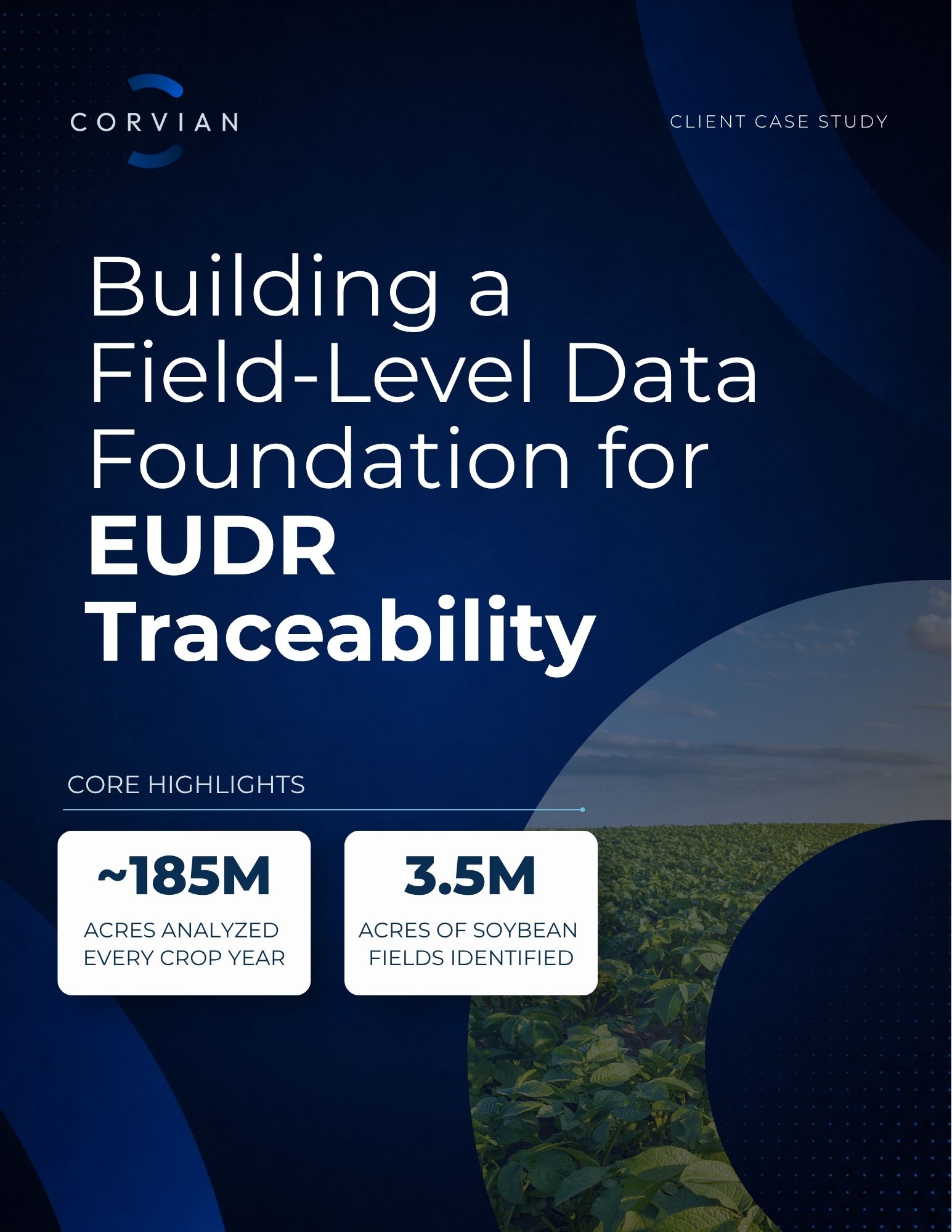
Canadian grain company · EUDR
Connecting sourcing records to field-level evidence
Explore how a grain company approached the data collection and traceability work needed for a complex sourcing and compliance program.
Read the case study (PDF) →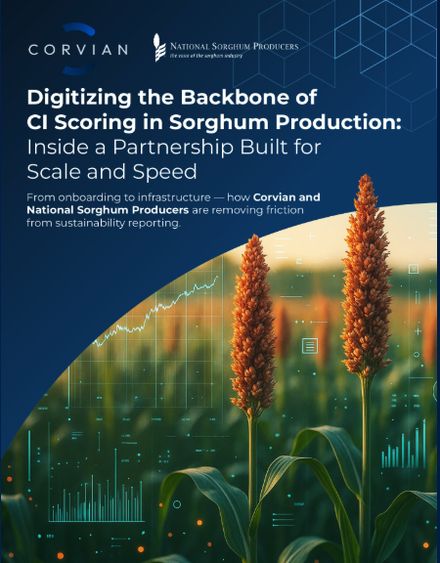
National Sorghum Producers · Grower onboarding
Building field data infrastructure across a grower network
See how Corvian and National Sorghum Producers built a supported digital workflow for producer onboarding, field data and carbon intensity scoring.
Read the case study (PDF) →How the program works
From scattered farm records to usable Scope 3 evidence
A buyer may know what it purchased and a supplier may know who delivered it. Neither record alone shows what happened on the fields behind that volume. Corvian helps connect the participating farms, field practices and supporting data to a sourcing program so teams can understand where evidence exists, where it is missing and what can be reported.
What data goes into an agricultural Scope 3 program?
The precise inputs depend on the crop, geography, reporting boundary and calculation method. These are the data layers an internal team typically needs to assess and collect:
1. Sourcing and field identity
Supplier and grower relationships, crop and season, field boundaries, acres, production volume and available transaction or traceability records. This establishes which activity belongs in the program and how field evidence relates to sourced commodities.
2. Field practices and inputs
Crop rotation and land management history; tillage, planting and cover crops; fertilizer type, rate, timing and placement; organic amendments, irrigation and other relevant applications. Practice records help teams understand what actually happened, where and when.
3. Measurement and context
Soil sampling and lab results, field-level weather, equipment and operational records, imagery and other available measurements. These add context to the field record and help identify gaps or inconsistencies before analysis.
4. Calculation and evidence
Documented data sources, assumptions, emission factors and the selected calculation methodology, with results tied back to fields, practices and seasons. This lets teams distinguish directly collected evidence from modeled or estimated values.
How Corvian collects and manages it
Work with suppliers to identify participating growers and fields, organize permissions and define the data needed for the program.
Bring together records from FarmCommand, machinery and telematics, soil labs, agronomic systems and technology partners, alongside information growers and suppliers already have.
Standardize formats, match records to the right field and season, flag missing or conflicting information and collect additional evidence where needed.
Organize evidence for analysis and reporting so teams can view participation, eligible acres, practice adoption, data coverage and calculated outcomes across the sourcing network.
So, can you verify Scope 3 all the way to the field?
The answer depends on whether every reported figure can be connected to its data source, method, field, season and relevant sourcing record. Corvian brings the collection process, existing technology network, dedicated soil labs and more than 20 years of field experience together to build that connection at scale. Your team can then see what is supported by field evidence, what still relies on estimates and where to focus next.
For a closer look at Corvian’s broader Scope 3 offering, visit our sustainability page.
Questions Corvian helps you answer
Can you answer these Scope 3 questions?
Corvian brings telematics, operational, agronomic and soil data together in one connected program. We have a proven system to onboard growers, replace manual data collection and validate Scope 3 outcomes. With dedicated soil labs, patented technology and over 20 years of field experience, we collect and manage agricultural data at scale. The result is auditable evidence tied to specific farms, fields and practices for both suppliers and CPGs.
For CPGs
From commitment to verified evidence
- Can you trace a reported reduction back to a specific field, practice and season?
- Which crops, regions and acres represent your greatest opportunity, and are your programs reaching them?
- What percentage of your sourced volume is supported by auditable field data rather than estimates?
- Are the practices you fund being implemented, maintained and reported in a scalable way?
- Which suppliers and farms are driving measurable progress, and where are the gaps?
For suppliers
From buyer requirement to field execution
- Do you know which growers in your network align with each buyer’s Scope 3 requirements?
- Which farms have the greatest potential to deliver measurable results?
- How many eligible acres can you activate within the buyer’s timeline?
- Where could grower participation or missing field data put delivery at risk?
- Can you show buyers exactly which practices were implemented, where and with what evidence?
What each side gains
One data + delivery foundation
Connect Scope 3 claims to the field evidence behind them.
See how Corvian connects your sourcing network, field practices and data into a program you can act on and report with confidence.
Connect with our Team