
Agricultural sourcing intelligence
Know the fields behind every ingredient.
Connect grower participation, soil and agronomic data, field practices and sourcing records in one practical system. Make progress on resilient supply chains, regenerative agriculture and Scope 3 with evidence your teams can use.
Built for beverage, ingredient and agricultural sourcing programs across crops and regions.
The enterprise challenge
Your sourcing targets need a path all the way to the field.
A procurement record tells you what was bought. To understand resilience, practices and agricultural emissions, teams also need to know where the crop was grown, what happened that season and which evidence supports a reported outcome.
Reach the grower network
Work through direct growers and supplier relationships, with practical onboarding and support tailored to the program and region.
See field-level conditions
Bring field boundaries, rotations, management practices, soil, weather and agronomic records into a usable view.
Turn evidence into decisions
Identify data gaps, prioritize sourcing regions, monitor adoption and prepare a clear record for program reporting.
Built for the 2030 agenda
Turn public commitments into programs suppliers and farmers can actually run.
For global brewers, current public priorities include helping direct farmers become skilled, connected and financially empowered; extending support through malt suppliers; and reducing value-chain emissions. These goals call for repeatable field data and participation across multiple regions—not another isolated dashboard.
Connect direct growers.
Keep enrollment, field records and practical support connected to the people doing the work.
Work beyond direct sourcing.
Help malt and ingredient suppliers carry consistent program requirements into their grower networks.
Understand the fields.
Use documented practices and sourcing data to prioritize action and support value-chain reporting.
Different crops. One operating foundation.
Designed for the crops that shape beverage supply chains.
Priorities change by product and geography. A shared data foundation lets teams tailor practices and measurements to each crop and sourcing region.
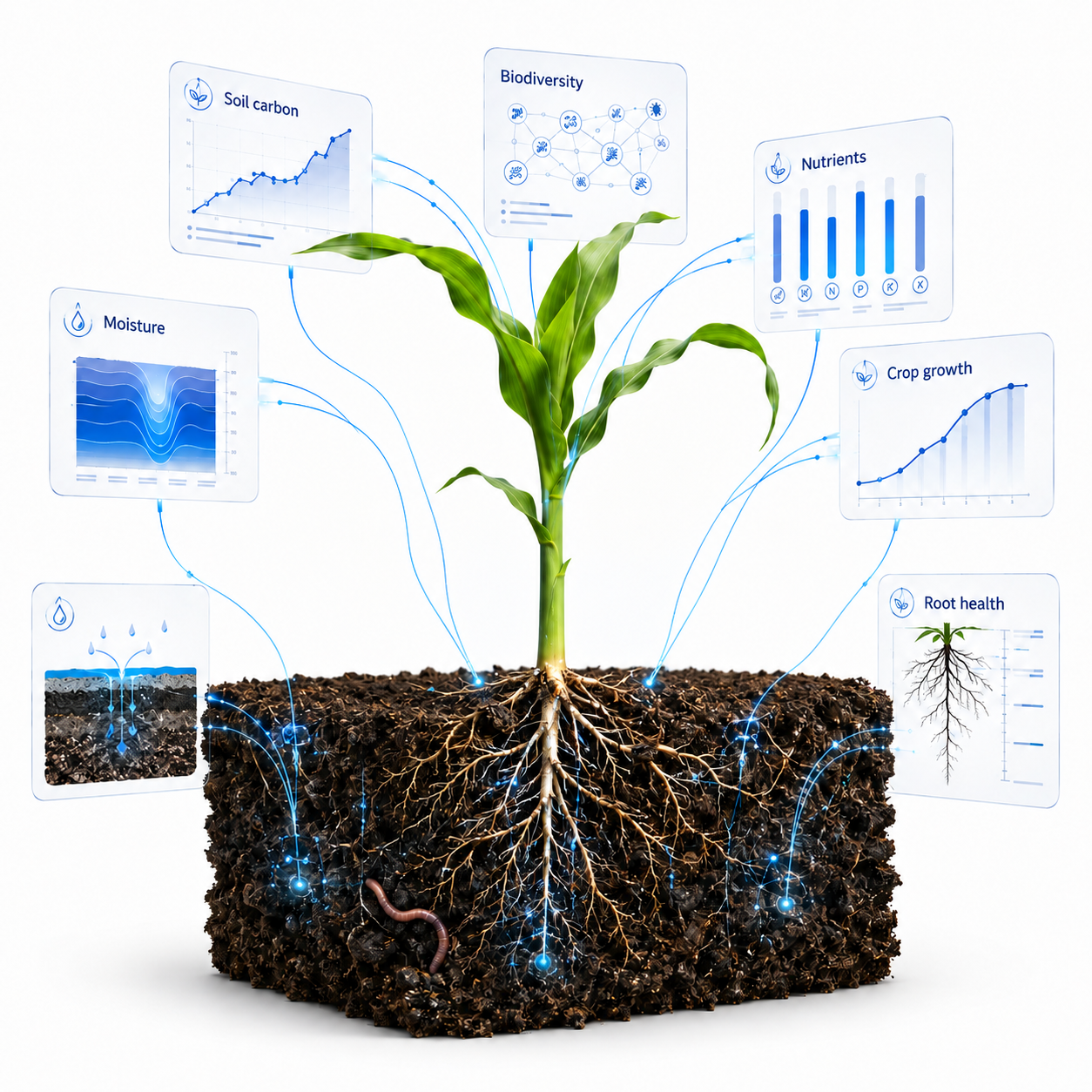
Barley
Connect malting barley growers, field practices, rotations and soil health to sourcing and resilience programs.
Soil health · fertilizer · rotation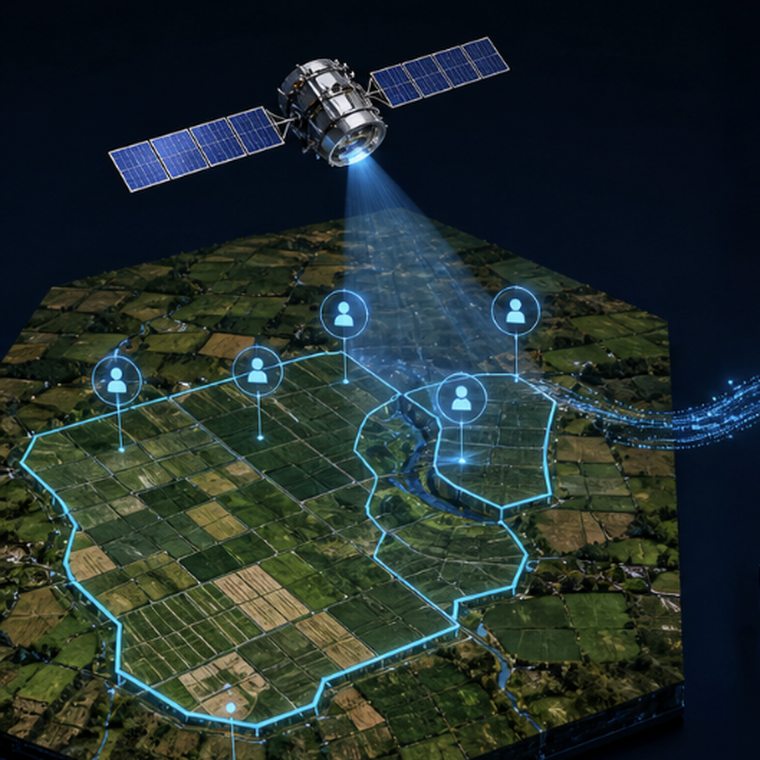
Rice
Combine field management, irrigation practices and relevant water data with a documented emissions methodology.
Water · practices · emissions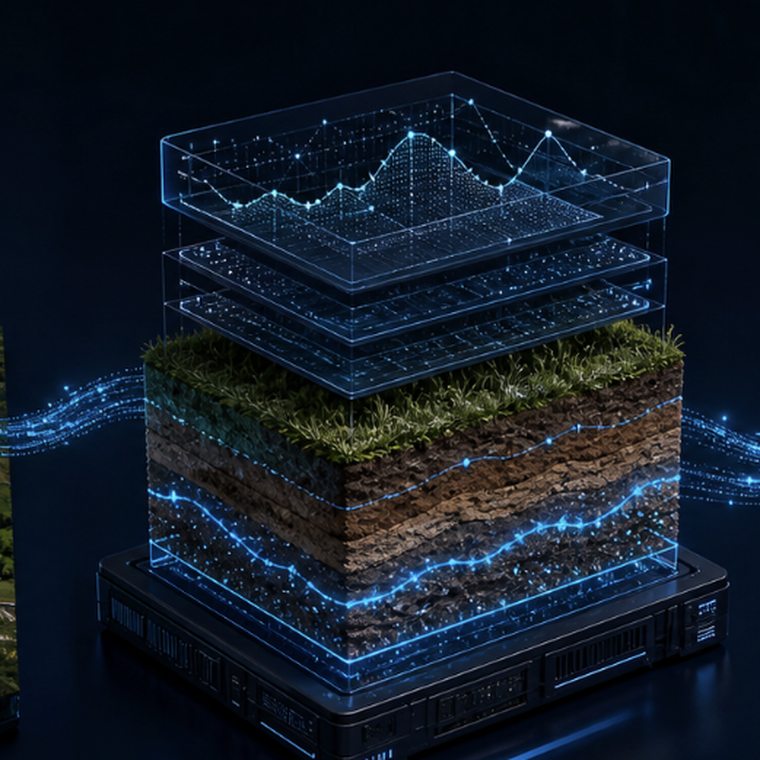
Corn / maize
See planted fields and seasonal agronomy behind ingredient sourcing and crop emissions programs.
Nutrients · tillage · field dataSorghum
Support producer enrollment and field data collection with a workflow proven in a national sorghum program.
Grower onboarding · CI dataCassava
Adapt grower engagement and traceability workflows to local supply chains and available records.
Supplier connections · sourcingHops
Link specialty crop sourcing, farm practices and available soil and agronomic evidence.
Field records · crop qualityWhat Corvian does
We build the connection between an ambition and a working field program.
Corvian combines technology, agronomy, laboratory testing, partner integrations and managed delivery. We start with existing supplier and grower systems, collect what is missing and make field records usable for sourcing, regenerative agriculture and Scope 3 teams.
- Prioritize crops, regions, growers and program requirements
- Onboard participants and connect existing data sources
- Collect field, practice and laboratory evidence where needed
- Check coverage, quality and gaps before reporting
- Deliver usable views for procurement, sustainability and suppliers
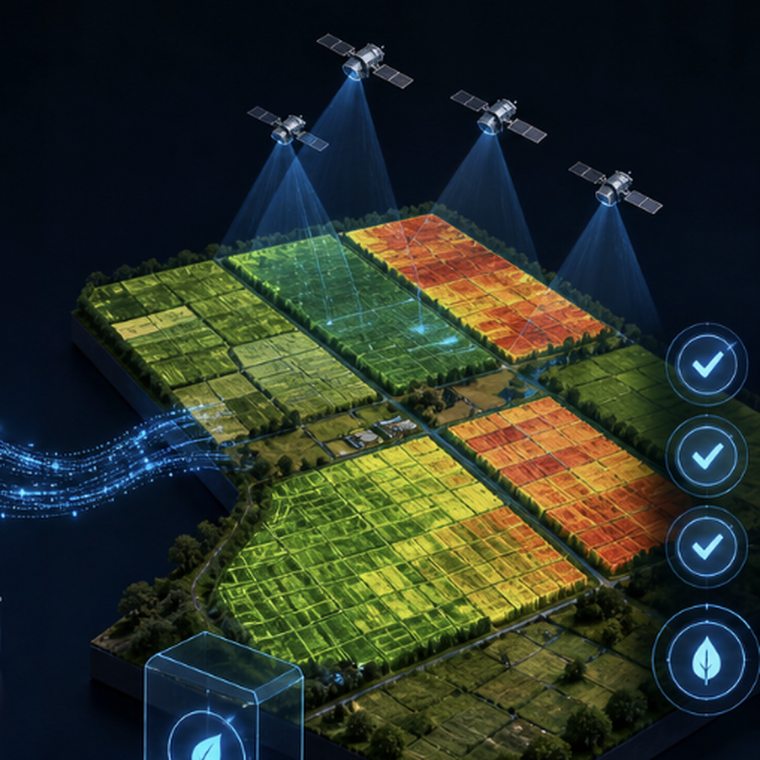
Relevant programs
One foundation. Several enterprise outcomes.
The same underlying field evidence can support distinct teams when program boundaries and methods are defined clearly.
Know your sourcing regions.
Locate participating farms and understand how crop, weather and management context affects programs.
Track practice adoption.
Document what was done on participating fields, support agronomic decisions and follow change over time.
Support credible accounting.
Organize primary data, sources and assumptions so teams can evaluate agricultural emissions and report with more confidence.
Where laboratory science fits
Put soil data inside the sourcing story.
For programs that need it, Corvian Labs can provide soil and plant tissue testing. Connect samples and results to the right field, season and agronomic workflow, then use the findings to guide management decisions and monitor relevant indicators over time.
Sampling plans and interpretation should fit the crop, geography and program goal. A single soil test by itself does not establish a quantified carbon reduction.
Evidence from the field
Examples of programs we have delivered.
These projects show how we connect people, data and field evidence to enterprise requirements. They are examples of delivery, not claims that one customer’s program matches another’s.
National Sorghum Producers
Bring hundreds of growers into one data workflow.
Corvian and National Sorghum Producers built a supported program for grower onboarding, sustainability data and carbon intensity scoring. The first season onboarded more than 400 producers in under five months.
Read the sorghum case study (PDF) ↗sourceTraceability evidence
Canadian grain company
Connect sourcing records to field-level evidence.
See how Corvian approached data collection and traceability for a grain company’s EUDR compliance work. The transferable lesson is how to organize sourcing and field evidence; EUDR requirements depend on the commodity and destination market.
Read the traceability case study (PDF) ↗Connected from the ground up
Field intelligence that travels with your supply chain.
Explore the capabilities
Follow the part of the program your team owns.
A practical next step
Start with one crop, one sourcing region and a question worth answering.
Bring the crop and geography, the existing supplier relationships and the outcome you need. We’ll map what data already exists, where participation or evidence is missing and what a workable first program could look like.
