
Scope 3 for CPGs
Connect ingredient sourcing to the acres behind it.
Corvian helps consumer goods companies turn agricultural Scope 3 goals into field programs. Connect suppliers and growers, identify opportunities across sourcing regions, monitor practices and organize evidence for reporting.
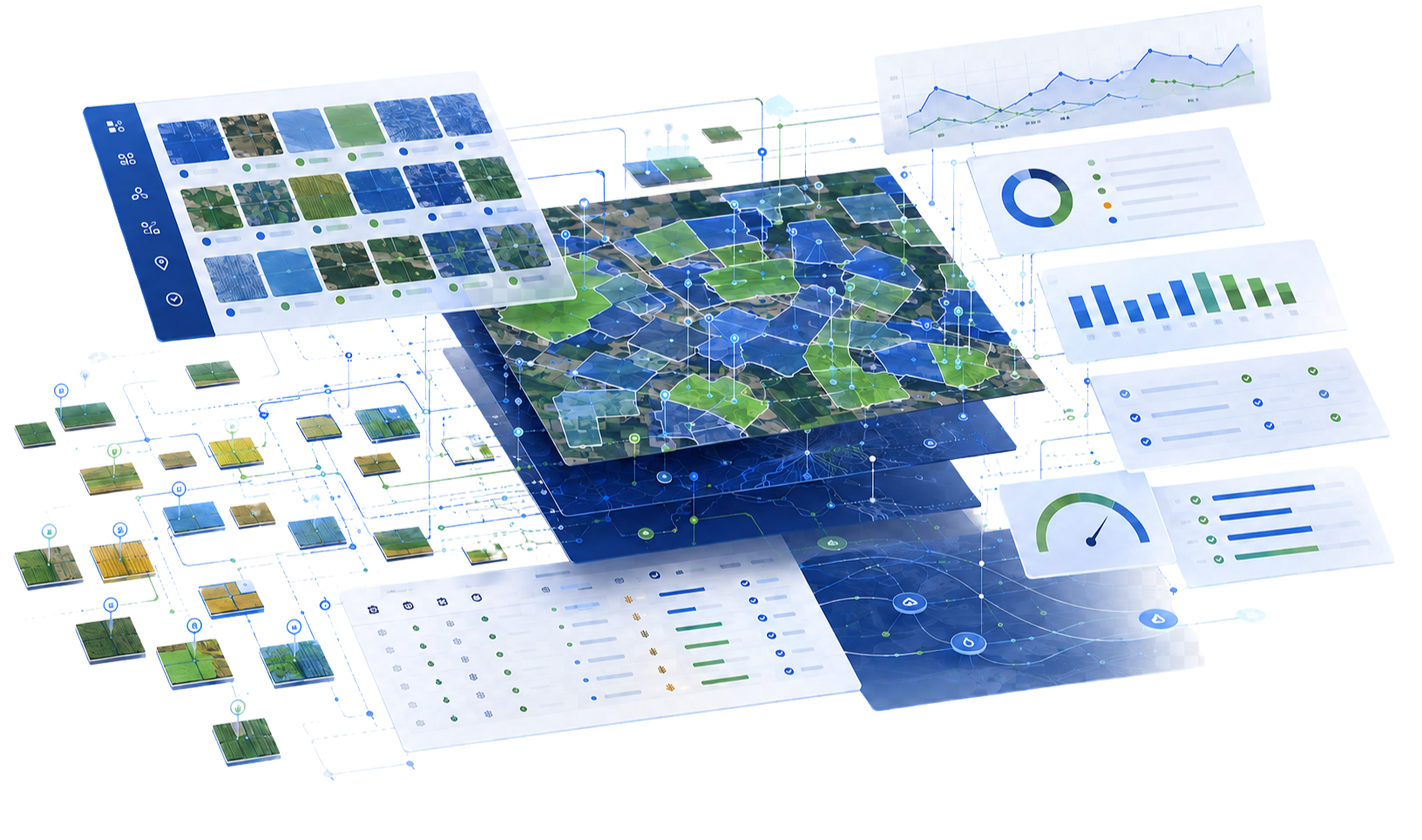
From supplier to field
Supplier visibility is a starting point. Scope 3 action happens on acres.
CPG teams often know the ingredient, volume and direct supplier. The harder questions sit further upstream: which farms and fields contribute to a sourcing footprint, which practices can change, and how will the result be supported? Corvian helps connect those layers so sourcing and sustainability teams can plan together.
Make a program that links a purchased crop to growers, field practices and the evidence behind a reported outcome.
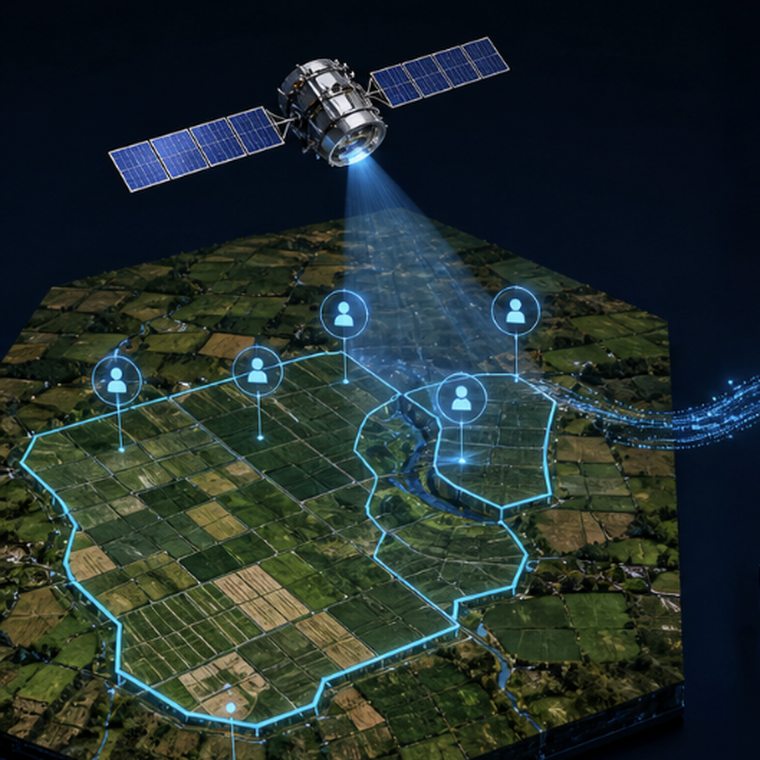
How a CPG program works
Map. Prioritize. Deliver and verify.
We work with your existing supplier relationships and data systems to build a usable path from sourcing priorities to field evidence.
Locate the sourcing footprint
Connect purchased crops and supplier volumes to regions, growers and field boundaries where data is available.

Find where action can matter
Use soil, weather, crop and practice information to evaluate potential interventions and support supplier planning.
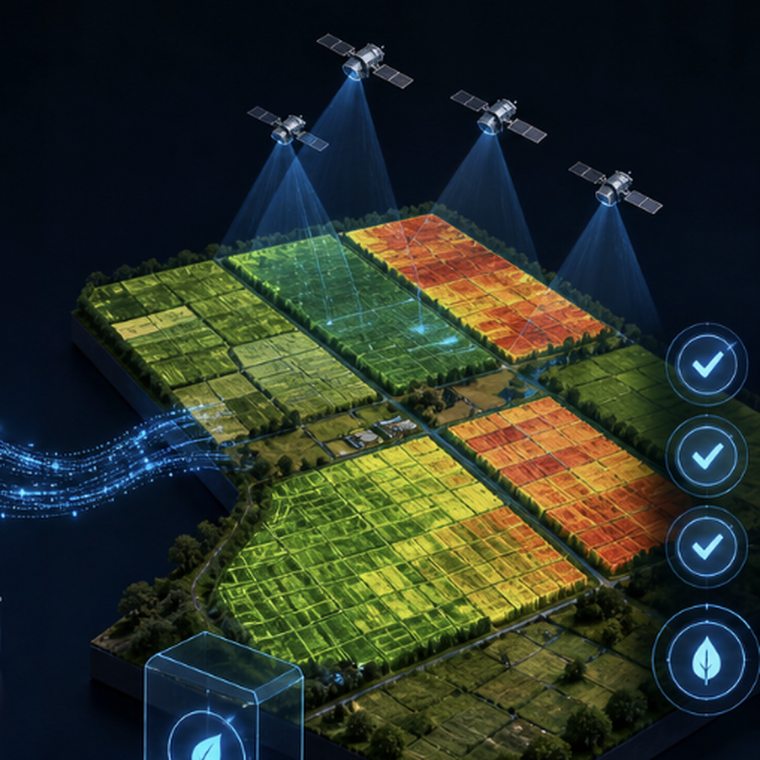
Follow implementation
Bring grower records, imagery and in-season monitoring together, and document the methodology behind reported results.
What information matters
The data behind an agricultural Scope 3 program.
The right collection plan depends on your crops and reporting method. These are the field and supply chain layers a program may need.
- Sourcing context: ingredient, crop, purchased volume, supplier and geography.
- Field identity: grower participation, field boundaries, crop and season.
- Practice history: tillage, cover crops, nutrients, application and management dates.
- Environmental context: soil, weather, imagery and relevant agronomic measurements.
- Evidence and calculations: source records, validation flags, models, assumptions and outcomes.
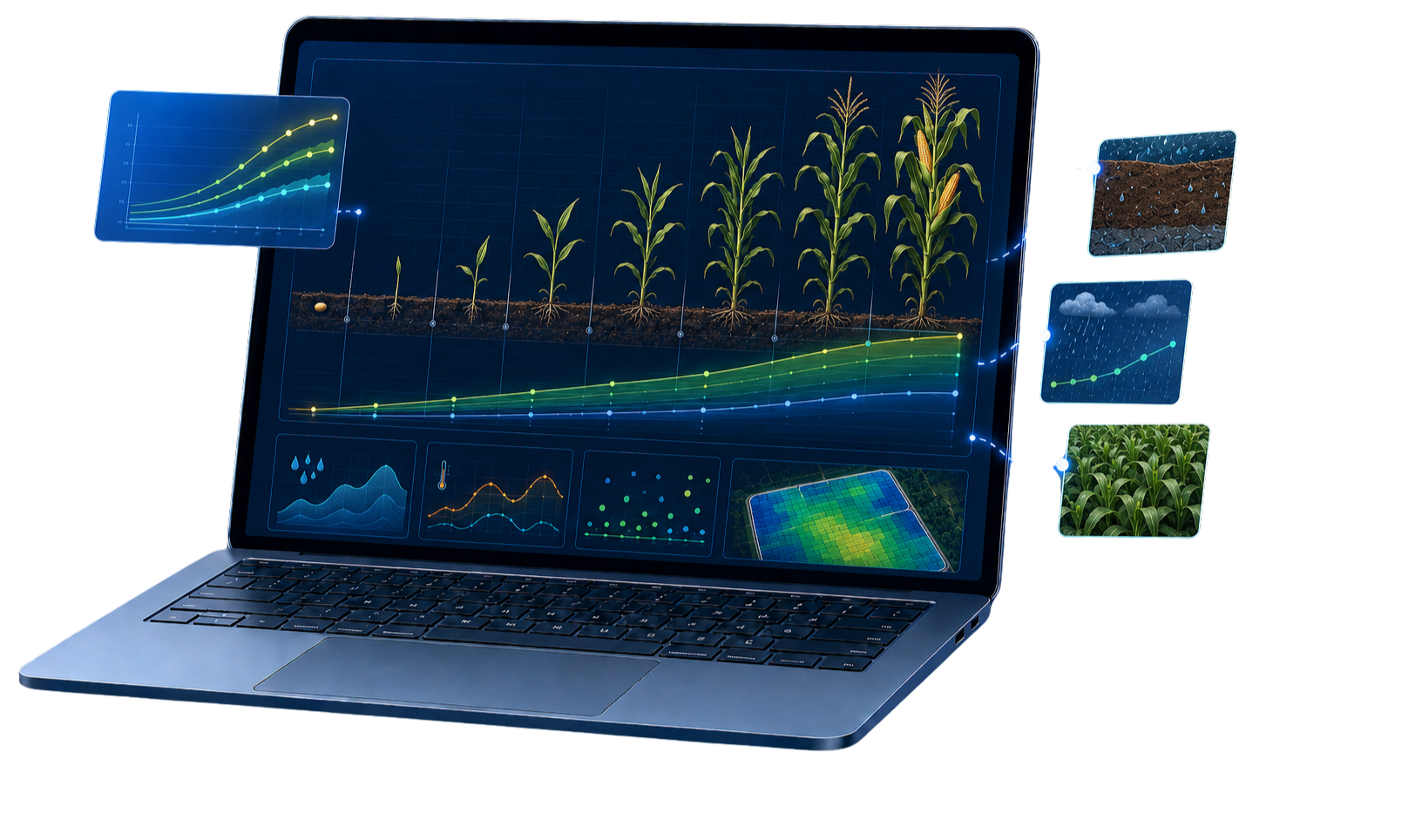
What your team can use
Give sourcing, sustainability and reporting a shared view.
Connected records help each team answer a different question about the same program.
Where to act
Visibility into sourcing regions, supplier participation and candidate acres for investment.
What happened
Practice adoption, monitoring signals, missing items and follow-up needs tied to fields and seasons.
What supports the claim
Documented inputs, assumptions and evidence trails for internal review and external assurance.
Start with your sourcing footprint
Bring us the ingredient and supplier network you want to understand.
We’ll review the data you have, the growers and acres you can reach, and the information needed to run a credible program.
Connect with our team