
The 3 Biggest Barriers to Scope 3 — and How to Overcome Them
Why better agricultural data, traceability, and farmer participation are essential to turning sustainability commitments into measurable progress.
Measuring emissions isn't the same as reducing them.
Agricultural companies have spent years establishing sustainability commitments, calculating emissions, and developing Scope 3 reduction strategies.
But for food and beverage companies, agricultural suppliers, and enterprises with complex sourcing networks, the real challenge is connecting corporate objectives to what's actually happening across millions of acres of farmland.
The problem isn't necessarily a lack of data. It's that the information needed to make decisions is often disconnected, incomplete, or difficult to verify.
Three barriers continue to stand between Scope 3 reporting and meaningful agricultural progress.
Where agricultural Scope 3 programs get stuck.
Limited Field-Level Traceability
Emissions can be estimated without clear visibility into the farming practices behind them.
Carbon-Only Measurement
Carbon accounting alone doesn't capture the full picture of agricultural practices and outcomes.
Farmer Participation
Corporate sustainability targets depend on decisions made by growers in the field.
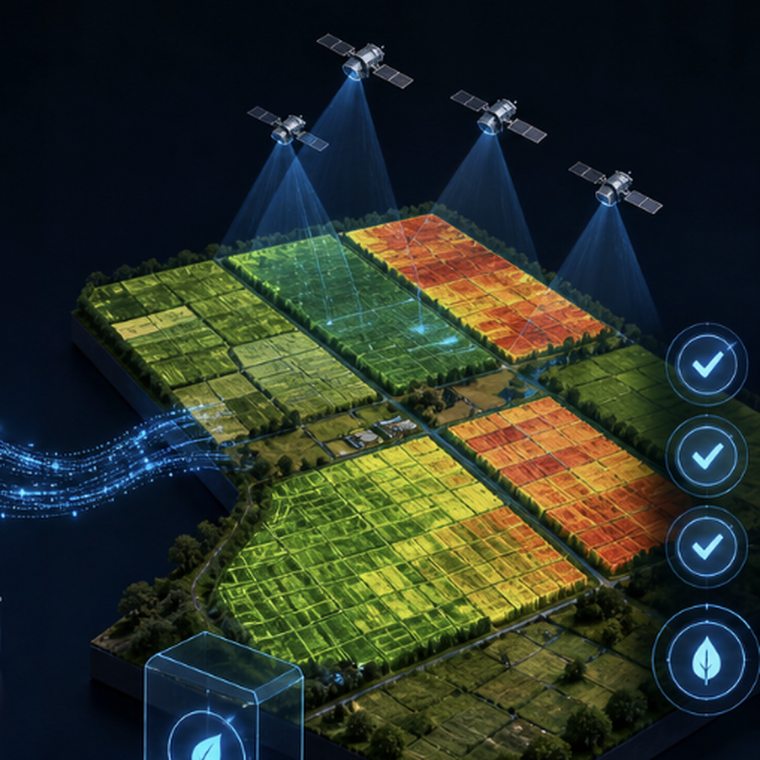
Companies Can Calculate Emissions, but Can't Always Trace Them to the Field
Many agricultural Scope 3 inventories rely on regional averages, emissions factors, and supplier-reported information.
These methods help establish baselines, but they don't always reveal which agricultural practices contribute to emissions or where improvements are occurring.
A food manufacturer may know the estimated emissions associated with sourced grain. But can it identify the practices behind those estimates? Which acres are participating in sustainability programs? What has changed over time?
How to overcome it
Connect agricultural sourcing to field-level evidence.
- Growers and fields: Understand where production originates.
- Practices: Document how land is managed.
- Evidence: Connect records and observations to reported activities.
- Outcomes: Track measurable or appropriately estimated changes over time.
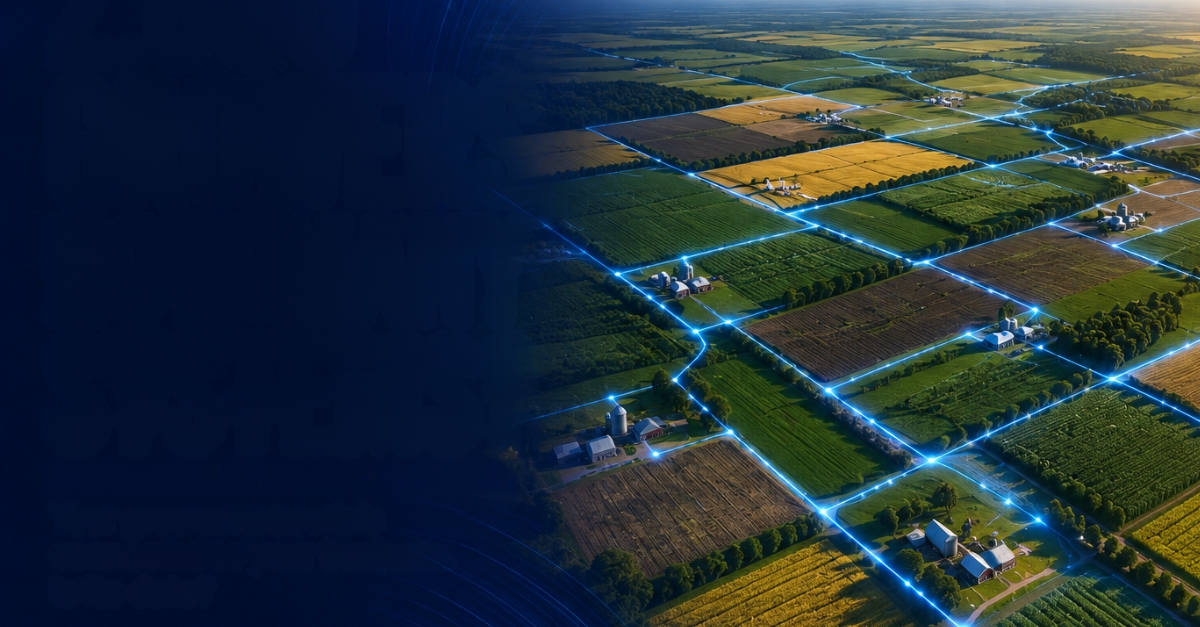
Carbon Monitoring Is Becoming the Program Instead of One Measure of Success
Carbon is an important metric. But it shouldn't be the entire agricultural sustainability strategy.
A company can invest heavily in carbon measurement and still have limited visibility into whether growers are adopting regenerative practices, improving soil management, or building more resilient production systems.
Practices such as reduced tillage, nutrient management, cover cropping, and crop diversification can contribute to different environmental and agronomic outcomes. Not all benefits appear immediately in carbon measurements, and not every practice guarantees emissions reductions.
How to overcome it
Measure agricultural practices and outcomes alongside carbon.
- Greenhouse gas emissions and carbon intensity.
- Soil management and soil health indicators.
- Regenerative practice adoption and continuity.
- Agricultural productivity and resilience.
- Traceability and evidence supporting sustainability claims.
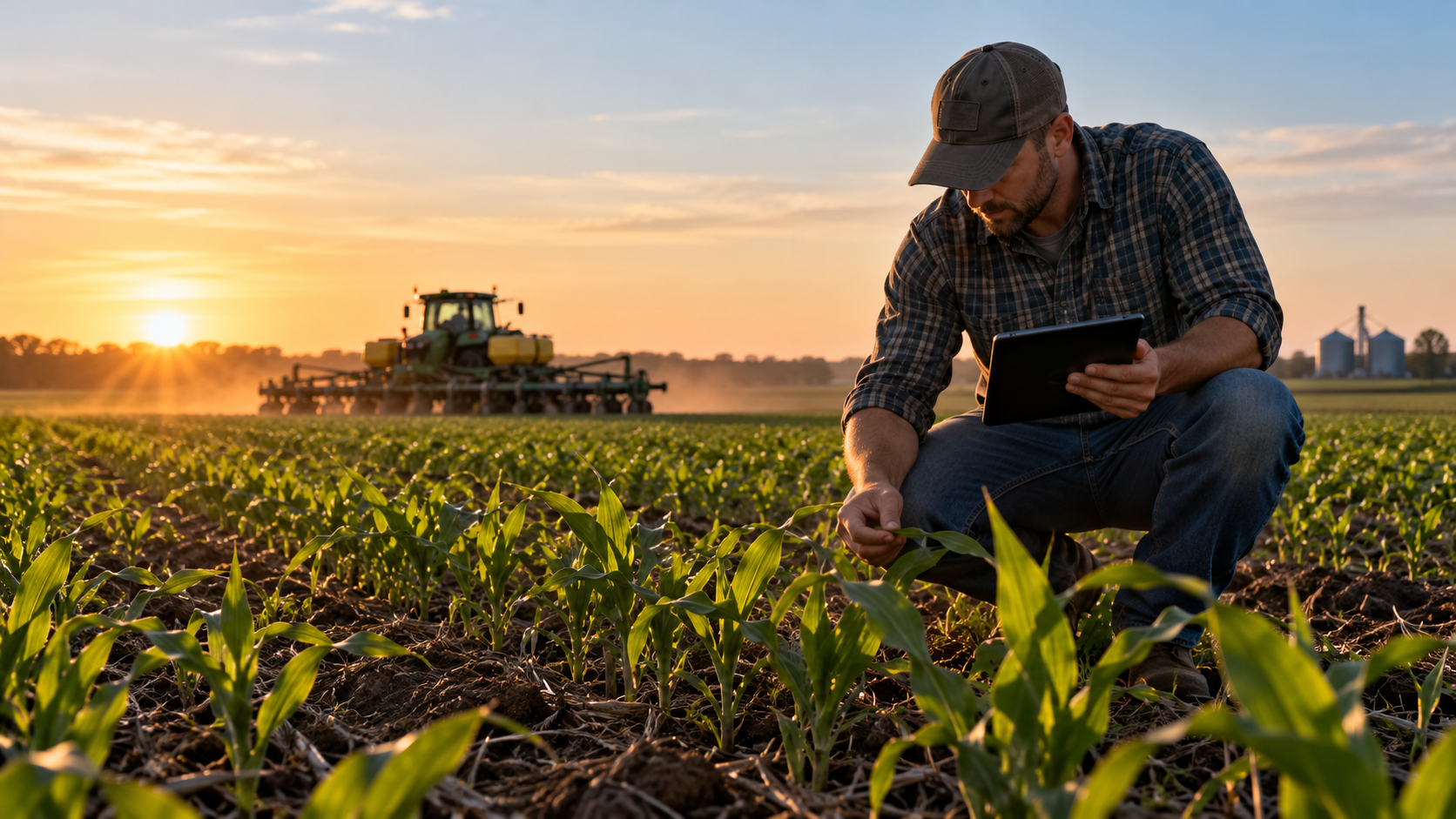
Sustainability Targets Are Set at the Enterprise Level, but Change Depends on Farmers
Corporate sustainability commitments are often developed years before the agricultural programs needed to support them are fully established.
But the practices influencing agricultural emissions happen on farms, where decisions are shaped by economics, weather, agronomic conditions, available resources, and operational risk.
Adopting new practices may involve additional costs, equipment requirements, uncertain returns, or changes to established production systems.
Without clear value for growers, even well-funded sustainability programs can struggle to scale.
How to overcome it
Make farmer participation part of the business model.
- Financial incentives: Recognize the costs and risks of adopting new practices.
- Agronomic value: Support locally appropriate practices.
- Simplified reporting: Reduce repetitive data collection.
- Long-term participation: Reward continued progress rather than one-time enrollment.
The solution isn't simply more carbon data. It's connecting that data to what's actually happening in the field.
Carbon measurement, regenerative agriculture, sourcing information, and farmer records cannot operate as disconnected programs if enterprises want to understand and improve agricultural outcomes.
Connecting agricultural activity to enterprise intelligence.
The opportunity is to create a connected view of agricultural activity — linking the origin of production with the practices, evidence, and outcomes that support enterprise decisions.
Decision
The next stage of agricultural sustainability is about results.
The next stage of agricultural sustainability won't be defined solely by which companies can calculate their Scope 3 emissions.
It will be shaped by which organizations can translate those calculations into meaningful agricultural action — and demonstrate the results.
That requires connected data, agricultural intelligence, practical verification, and programs that work for farmers as well as enterprises.
Turn agricultural data into actionable intelligence.
Corvian is the data and intelligence layer connecting field activity to enterprise decisions. We help organizations connect agricultural data, sourcing visibility, sustainability practices, and measurable outcomes across complex agricultural value chains.
